
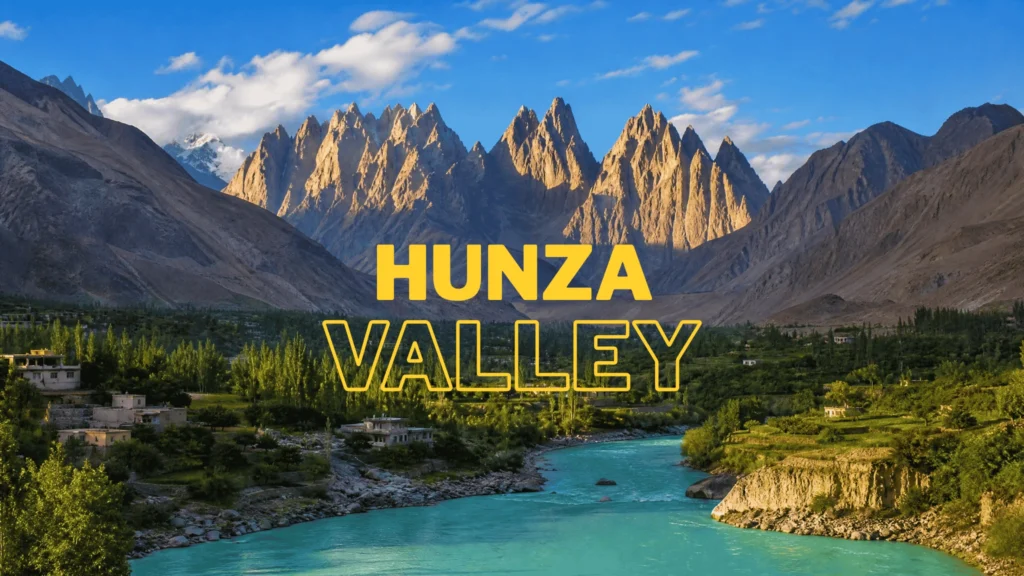
Hunza Valley: A Guide to Pakistan’s Mountain Paradise
TL; DR: Hunza Valley
- Hunza Valley is one of the most beautiful tourist destinations in northern Pakistan.
- It is located in Gilgit-Baltistan along the famous Karakoram Highway.
- Hunza is surrounded by mountains, glaciers, rivers, lakes, forts, and peaceful villages.
- Attabad Lake was formed in 2010 after a landslide blocked the Hunza River near Attabad village.
- The Islamabad to Hunza distance is approximately 600–750 km by road.
- The Lahore to Hunza distance is around 900–950 km by road.
- The Karachi to Hunza distance is approximately 1,700–2,000 km depending on the route.
- Popular attractions include Baltit Fort, Altit Fort, Passu Cones, Karimabad, Gulmit, Khunjerab Pass, and Hopper Valley.
Hunza Valley Introduction
Hunza Valley is not just a tourist destination. It is one of those places that stays in your memory long after the trip ends. The valley has snow-covered mountains, blue lakes, old forts, fresh fruit orchards, clean villages, and some of the most welcoming people in Pakistan. For many travelers, Hunza Valley is the dream image of northern Pakistan.
Hunza Pakistan is famous for its peaceful lifestyle, beautiful landscapes, and strong local culture. The valley is surrounded by some of the highest and most dramatic mountains in the world. Peaks like Rakaposhi, Ultar Sar, Ladyfinger Peak, Passu Cones, Diran Peak, and Golden Peak make the whole region look powerful and calm at the same time.
When people search for Hunza Valley Pakistan, they usually want a complete guide that explains how to reach Hunza Valley, what to see, where to stay, what to buy from Hunza, when it snows, which network works in Hunza, and how far Hunza is from major cities like Islamabad, Lahore, and Karachi. This guide answers all these questions in easy wording.
Where Is Hunza?
Hunza is located in Gilgit-Baltistan, in the northern part of Pakistan. It lies along the Hunza River and the Karakoram Highway. The region is close to the Pakistan-China border, and many travelers continue from Hunza toward Khunjerab Pass, which connects Pakistan with China.
If you are wondering where is Hunza Valley in Pakistan, think of it as a high mountain region between Gilgit and Khunjerab Pass. Karimabad is the main tourist center of Hunza, while Aliabad, Altit, Gulmit, Passu, Sost, and Gojal are also important parts of the travel route.
Hunza is divided into different areas. Central Hunza includes Karimabad, Altit, and Aliabad. Upper Hunza, also called Gojal, includes Gulmit, Passu, and Sost. Lower Hunza includes areas closer to Gilgit. Each part has its own views, culture, and travel experience.
Why Hunza Valley Is Famous
Hunza Valley is famous because it offers a rare mix of natural beauty, culture, history, and peace. Many places have mountains, but Hunza has a special charm because the mountains, villages, rivers, orchards, and old forts all feel connected.
The valley is also known for its clean environment and calm lifestyle. Tourists often notice that Hunza feels safer, cleaner, and more organized than many other mountain destinations. Local people are educated, respectful, and helpful. This makes the travel experience more comfortable for families, solo travelers, couples, photographers, and adventure lovers.
Hunza is also popular among international tourists. The Karakoram Highway, ancient Silk Route history, local food, high-altitude villages, and views of glaciers attract people from different countries. For Pakistani travelers, Hunza is one of the top bucket-list destinations.
Which Lake Emerged in Hunza Valley?
The answer to which lake emerged in Hunza Valley is Attabad Lake. It is also known as Attabad Lake Hunza. This lake was formed in January 2010 after a huge landslide blocked the Hunza River near Attabad village.
The formation of Attabad Lake was not a normal natural event. It was the result of a disaster that destroyed homes, blocked roads, and affected many local families. Over time, the blocked river created a long blue lake between the mountains. Today, it has become one of the most famous tourist attractions in Hunza Valley.
Attabad Lake Hunza is known for its bright blue water, mountain views, boating, jet skiing, lakeside cafés, and photography points. Many people visit it while traveling from Karimabad toward Gulmit, Passu, and Khunjerab Pass. It is beautiful, but visitors should also remember its history and respect the local community.
Places to Visit in Hunza
Karimabad
Karimabad is the main tourist town in Hunza Valley. It is a good base for first-time visitors because many hotels, restaurants, cafés, shops, and viewpoints are located here. From Karimabad, you can see famous mountains like Rakaposhi, Ultar Sar, and Ladyfinger Peak.
Karimabad is also close to Baltit Fort, one of the most important historical sites in Hunza. The town has a peaceful bazaar where tourists can buy dry fruits, local handicrafts, gemstones, traditional caps, and apricot products.
Baltit Fort
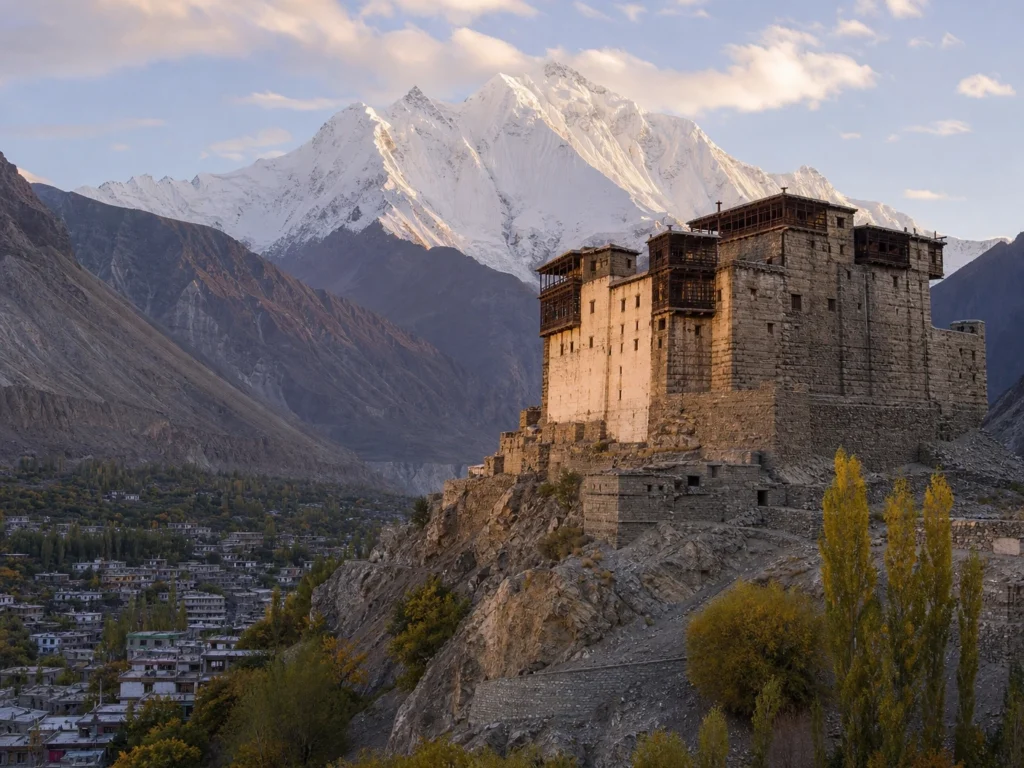
Baltit Fort is one of the most famous places to visit in Hunza. It stands above Karimabad and gives a wide view of the valley. The fort is hundreds of years old and shows the royal history of Hunza.
Its architecture is unique and reflects old mountain culture. Visitors who enjoy history, photography, and cultural sites should not miss Baltit Fort. The view from the top is also one of the best in Central Hunza.
Altit Fort
Altit Fort is another important historical attraction in Hunza Valley. It is located near Altit village and is older than Baltit Fort. The fort has been restored and is now a popular heritage site.
Altit Fort gives visitors a deeper look into the old lifestyle of Hunza. The nearby village streets, old houses, gardens, and river views make this place worth visiting. Many travelers visit both Altit Fort and Baltit Fort on the same day.
Attabad Lake Hunza
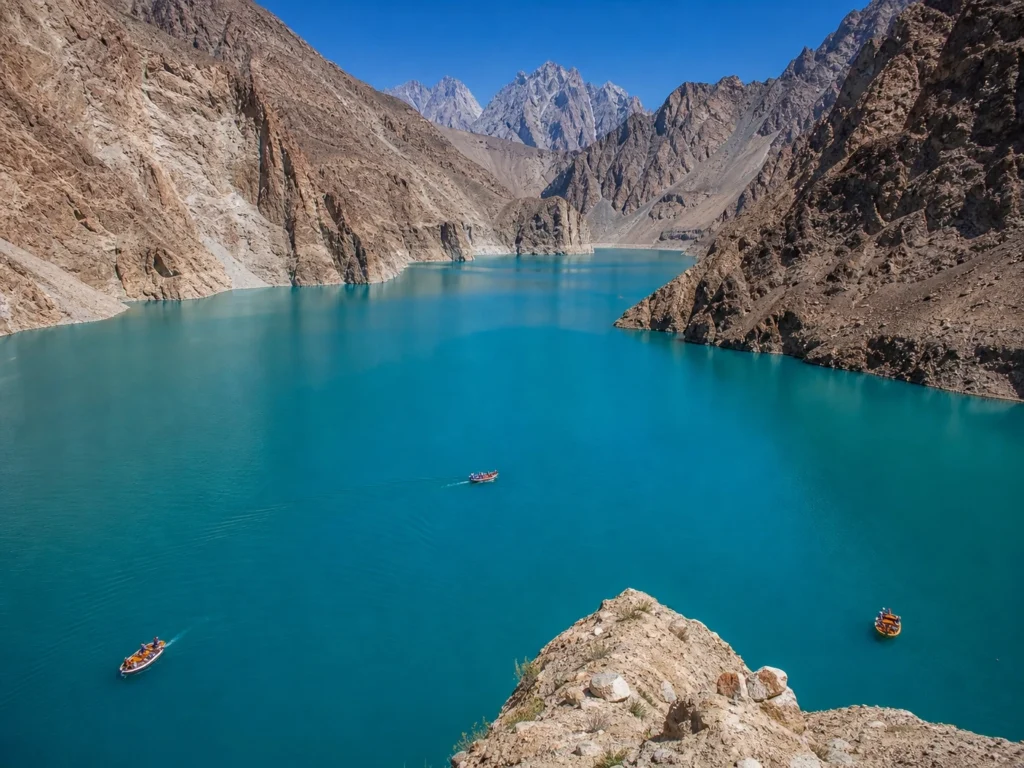
Attabad Lake Hunza is one of the top tourist spots in the valley. Its blue water and mountain background make it perfect for boating and photography. The lake is located on the way to Upper Hunza, so it is easy to include in your travel plan.
Many tourists stop here for a boat ride, tea, lunch, or photos. There are also hotels and resorts near the lake for travelers who want to stay close to the water.
Passu Cones
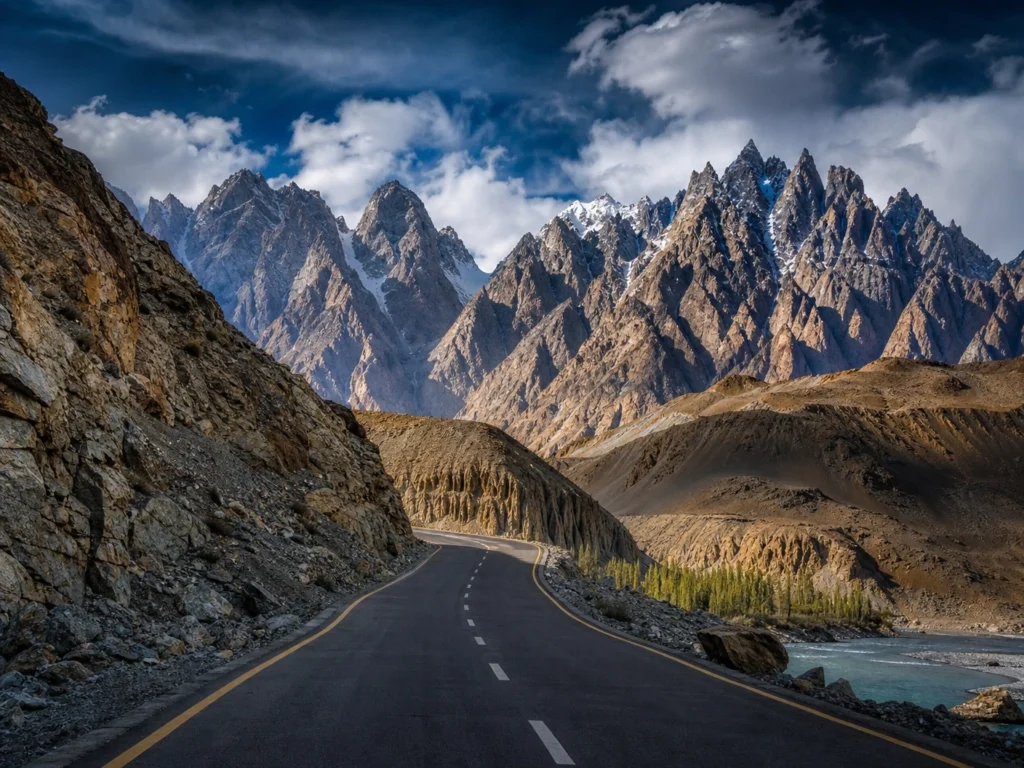
Passu Cones are among the most famous mountain views in Pakistan. These sharp, pointed peaks are located near Passu village in Upper Hunza. Their shape makes them easy to recognize and very popular on social media.
The area around Passu is also famous for suspension bridges, glaciers, and peaceful village views. If you love dramatic landscapes, Passu should be on your list.
Gulmit
Gulmit is a beautiful village in Upper Hunza. It is quieter than Karimabad and gives a more traditional village experience. Gulmit is a good place to enjoy local food, handicrafts, mountain views, and peaceful walks.
Many travelers prefer staying in Gulmit if they want to explore Attabad Lake, Passu, Sost, and Khunjerab Pass without staying in a busier area.
Duikar Viewpoint
Duikar is one of the best viewpoints in Hunza Valley. It is famous for sunrise and sunset views. From Duikar, you can see several peaks at the same time, including Rakaposhi, Ultar Sar, Golden Peak, and Ladyfinger Peak.
It is also a good place for night-sky photography. The air is clear, and the stars look bright on cloudless nights.
Khunjerab Pass
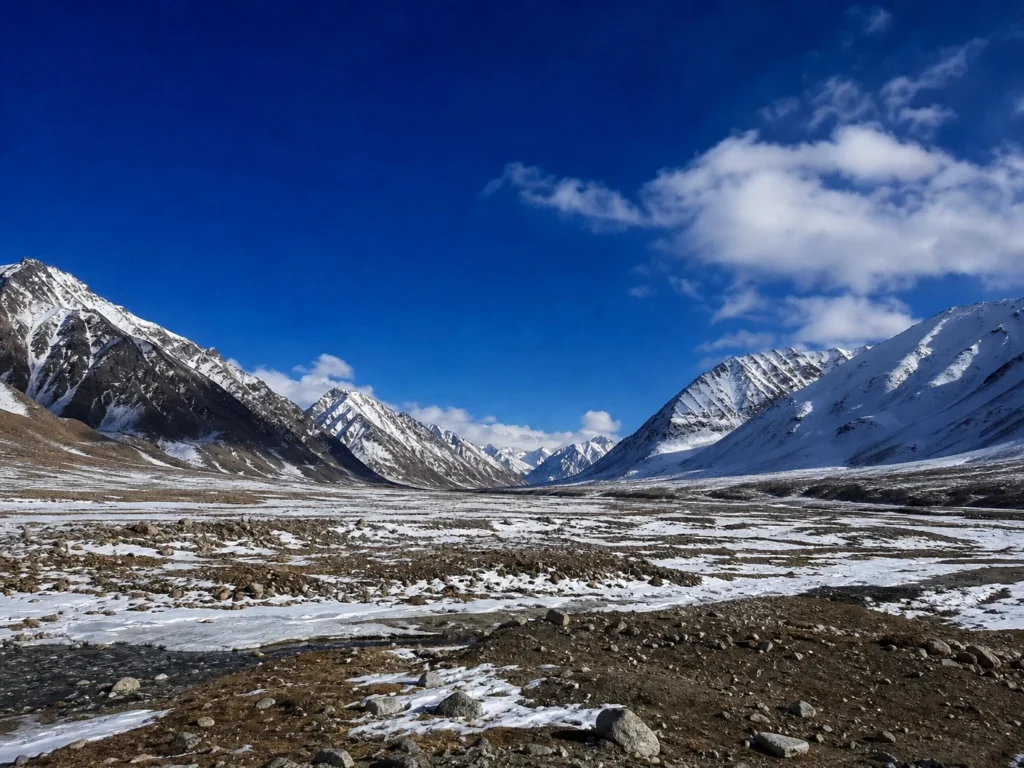
Khunjerab Pass is the high mountain border between Pakistan and China. Many tourists visit it as a day trip from Hunza, Gulmit, or Sost. The road to Khunjerab is scenic, but the altitude is high, and the weather can be very cold.
Even in summer, you should carry warm clothes when visiting Khunjerab Pass. The area may also close during heavy snow, especially in winter.
Islamabad to Hunza Distance
The Islamabad to Hunza distance depends on the route you take. If you travel through Naran and Babusar Pass, the distance is usually around 600 to 650 km. If you travel through Besham, Dasu, and Chilas on the Karakoram Highway, the distance can be closer to 700 to 750 km.
The travel time from Islamabad to Hunza is usually 14 to 18 hours in good conditions. However, mountain travel is not always fixed. Landslides, road repair, traffic, weather, and rest stops can increase the time.
Many travelers do not complete the journey in one day. A better plan is to stay overnight in Chilas, Naran, Besham, or Gilgit. This makes the trip safer and more comfortable, especially for families and first-time travelers.
Lahore to Hunza Distance
The Lahore to Hunza distance is usually around 900 to 950 km by road. Most travelers from Lahore first reach Islamabad through the motorway. From Islamabad, they continue toward Abbottabad, Mansehra, Naran or Besham, Chilas, Gilgit, and then Hunza.
Travel time from Lahore to Hunza can be around 18 to 22 hours, depending on road conditions and stops. It is better to divide the journey into two parts. For example, you can travel from Lahore to Naran or Chilas on the first day and continue to Hunza the next day.
In summer, the Babusar Pass route is popular because it is scenic and can be shorter. In winter, Babusar Pass usually closes due to snow, so travelers use the Karakoram Highway through Besham and Chilas.
Karachi to Hunza Distance
The Karachi to Hunza distance is much longer than Islamabad or Lahore. By road, it can be around 1,700 to 2,000 km, depending on the selected route and final stop in Hunza.
A road trip from Karachi to Hunza is possible, but it is tiring and needs proper planning. Travelers usually need several stopovers in cities like Sukkur, Multan, Lahore, Islamabad, Chilas, or Gilgit.
For most people, the better option is to fly from Karachi to Islamabad and then travel by road to Hunza. Another option is to fly from Islamabad to Gilgit if flights are available and weather conditions are suitable.
How to Reach Hunza Valley
There are two main ways to reach Hunza Valley: by road and by air.
By road, most people travel from Islamabad through the Karakoram Highway or the Naran-Babusar route in summer. The road journey is long but full of beautiful views. You will pass through rivers, mountains, valleys, tunnels, and small towns.
By air, travelers can take a flight from Islamabad to Gilgit. From Gilgit, Hunza is around two to three hours away by road. This option saves time, but flights to Gilgit depend heavily on weather. Cancellations and delays are common in cloudy or rough weather.
If you are planning your first trip, road travel gives you the full northern Pakistan experience. But if you have limited time, flying to Gilgit can be useful.
When Does It Snow in Hunza?
If you are asking when does it snow in Hunza, the main snow season is usually from December to February. Higher areas of Hunza may receive snow earlier or later, while lower areas may get less snow.
Winter Hunza is peaceful and beautiful. Snow-covered mountains, quiet roads, frozen views, and less tourist rush make it special. However, winter travel also has challenges. Roads can become slippery, some hotels may have limited heating, and high-altitude routes may close.
If you want to see snow, January is usually a good month. If you want easier travel, spring, summer, and autumn are better. March and April are famous for blossoms. May to September is best for family trips. October is ideal for autumn colors.
What Language Is Spoken in Hunza Valley?
The main languages spoken in Hunza Valley are Burushaski, Wakhi, and Shina. Burushaski is common in Central Hunza. Wakhi is widely spoken in Upper Hunza, especially in Gojal, Gulmit, and Passu. Shina is also spoken in parts of the region and nearby areas.
Urdu is widely understood, so Pakistani tourists can communicate easily. Many people working in hotels, restaurants, transport, and tourism also understand English.
Learning a few local greetings can make your trip more friendly. The people of Hunza Valley appreciate respect and politeness from visitors.
People of Hunza Valley
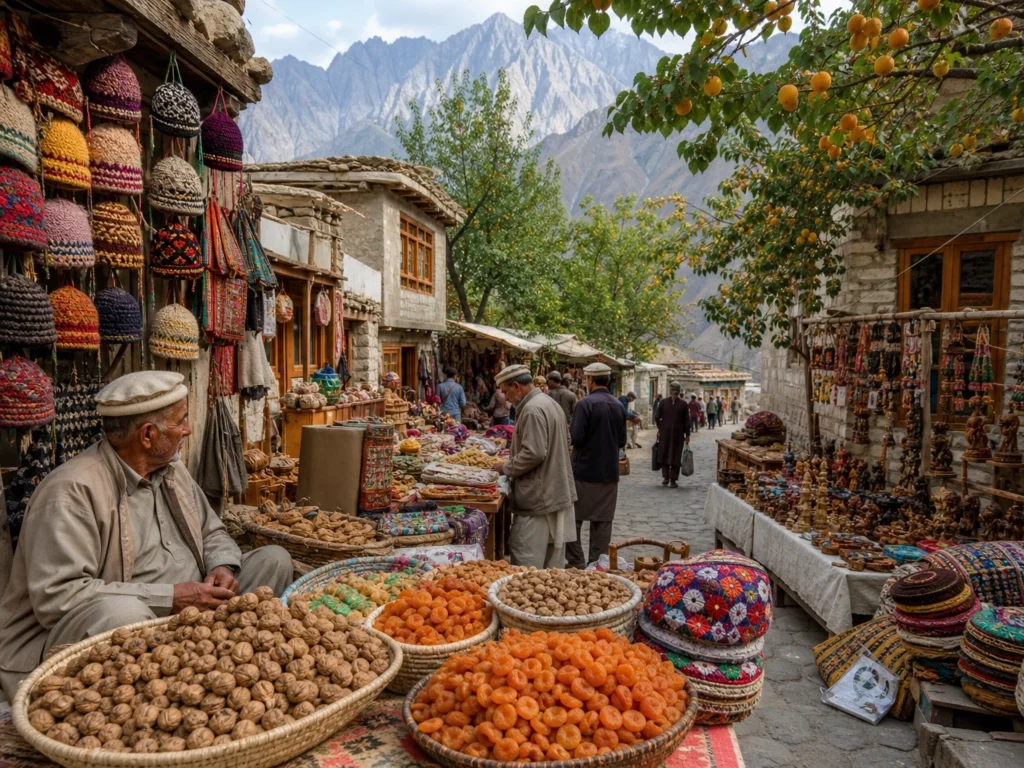
The people of Hunza Valley are one of the strongest reasons tourists love the region. They are known for hospitality, education, cleanliness, and community values. Many visitors feel comfortable in Hunza because locals are helpful and respectful.
The local lifestyle is closely connected with nature. People grow apricots, walnuts, cherries, apples, and other fruits. Dry fruits, farming, tourism, handicrafts, and small businesses are common sources of income.
Hunza is also known for women’s participation in education, business, and tourism. You may see women running shops, managing guest houses, studying, or working in local projects. This gives Hunza a progressive and peaceful image.
What to Buy from Hunza
If you are wondering what to buy from Hunza, start with dry fruits. Hunza is famous for dried apricots, walnuts, almonds, mulberries, cherries, and apricot kernels. Apricot oil is also popular and is used for skin, hair, and cooking.
You can also buy local honey, herbal teas, sea buckthorn products, handmade caps, woolen shawls, embroidered items, gemstones, wooden crafts, and traditional jewelry.
Karimabad Bazaar is one of the best places for shopping. Gulmit is also good for handicrafts and local products. Always buy from trusted shops, especially when purchasing gemstones or expensive items.
Which Network Works in Hunza?
If you are asking which network works in Hunza, SCOM is usually considered the most reliable network in Gilgit-Baltistan. Other networks like Jazz, Zong, Telenor, and Ufone may work in some areas, especially main towns, but coverage can vary.
In places like Aliabad, Karimabad, Gulmit, and Sost, mobile signals are usually better. In remote valleys, glaciers, high roads, and mountain areas, signals may become weak or disappear completely.
It is smart to download offline maps before your trip. Keep important phone numbers saved. Carry some cash because online payments and mobile banking may not always work smoothly.
Best Hunza Hotels
The best Hunza hotels depend on your budget and travel style. If you want a comfortable stay in the main tourist area, Karimabad is a good choice. It has many hotels, guest houses, cafés, and restaurants.
Hunza Serena Hotel is one of the well-known premium options in Karimabad. Eagle’s Nest Hotel is famous for its views, especially near Duikar. There are also boutique hotels, family guest houses, and modern resorts near Attabad Lake and Gulmit.
If you want easy access to markets and forts, stay in Karimabad. If you want peaceful mountain views, stay in Duikar. If you want lake views, stay near Attabad Lake. If you want to explore Upper Hunza, stay in Gulmit or Passu.
During peak season, hotel prices can rise quickly. It is better to book in advance, especially during summer holidays, blossom season, and autumn.
Food to Try in Hunza
Hunza food is simple, fresh, and different from regular city food. Some popular local dishes include chapshuro, mamtu, diram fitti, local bread, apricot soup, walnut cake, butter tea, and fresh fruit juices.
Chapshuro is like a local meat-filled bread. Mamtu is a type of dumpling. Apricot products are common because Hunza is famous for apricot trees. You can also find Pakistani and continental food in tourist cafés.
Food prices may be higher than expected because many supplies are transported from far areas. During peak season, restaurants can become busy, so it is better to eat early and carry snacks for long road trips.
Best Time to Visit Hunza Valley
The best time to visit Hunza Valley depends on what you want to experience.
March and April are best for blossom season. You can see apricot and cherry blossoms across the valley. May to September is best for family travel, boating, road trips, hiking, and easier access. October is best for autumn colors, golden trees, and photography. December to February is best for snow lovers.
For first-time visitors, May, June, September, and October are excellent months. July and August are also popular, but these months can be crowded because of school holidays.
Travel Tips for Hunza Pakistan
Pack warm clothes even if you are visiting in summer. Nights can be cold, especially in Upper Hunza. Wear comfortable shoes because you may walk on steep paths, stone streets, fort stairs, and uneven ground.
Carry cash because card machines may not work everywhere. Keep your CNIC or passport with you, especially if you plan to visit Khunjerab Pass. Book hotels early during busy seasons.
Do not throw trash near lakes, rivers, viewpoints, forts, or villages. Hunza is beautiful because locals care about their environment. Tourists should do the same.
Ask before taking photos of local people. Respect local culture, dress modestly, and speak politely. Responsible travel helps protect Hunza for future visitors.
Roman Urdu Quick Guide
Hunza Valley Pakistan ke north mein Gilgit-Baltistan mein waqia hai. Agar aap soch rahe hain where is Hunza, to simple jawab yeh hai ke Hunza Karakoram mountains ke darmiyan ek khoobsurat valley hai. Yahan Karimabad, Baltit Fort, Altit Fort, Attabad Lake, Passu Cones, Gulmit, Duikar, Sost aur Khunjerab Pass mashhoor tourist places hain.
Which lake emerged in Hunza Valley ka jawab Attabad Lake hai. Yeh lake 2010 ke landslide ke baad bani thi. Islamabad to Hunza distance lagbhag 600 se 750 km hai. Lahore to Hunza distance around 900 se 950 km hota hai. Karachi to Hunza distance bohat zyada hai, jo 1,700 se 2,000 km tak ho sakta hai.
Hunza mein local languages Burushaski, Wakhi aur Shina hain. Urdu aam tor par samjhi jati hai. SCOM network Hunza aur Gilgit-Baltistan mein zyada reliable mana jata hai. Hunza se dry fruits, apricot oil, honey, gemstones, woolen shawls aur handmade items khareedna acha option hai.
Conclusion
Hunza Valley is one of the most beautiful and meaningful travel destinations in Pakistan. It offers mountains, lakes, forts, glaciers, peaceful villages, local food, cultural history, and kind people. Whether you are searching for Hunza Pakistan, Hunza Valley Pakistan, places to visit in Hunza, how to reach Hunza Valley, best Hunza hotels, or which lake emerged in Hunza Valley, the answer always leads to one thing: Hunza is worth visiting with time, respect, and proper planning.
For a good trip, plan at least five to seven days. Stay in Karimabad, Gulmit, Duikar, or near Attabad Lake depending on your travel style. Visit Baltit Fort, Altit Fort, Attabad Lake Hunza, Passu Cones, Gulmit, and Khunjerab Pass. Keep one extra day for weather, rest, or road delays.
Hunza Valley is not only a place to see. It is a place to feel. The mountains, people, food, culture, and peaceful environment make it one of the most special valleys in Pakistan.