What Is Naat? A Complete Guide for Muslims
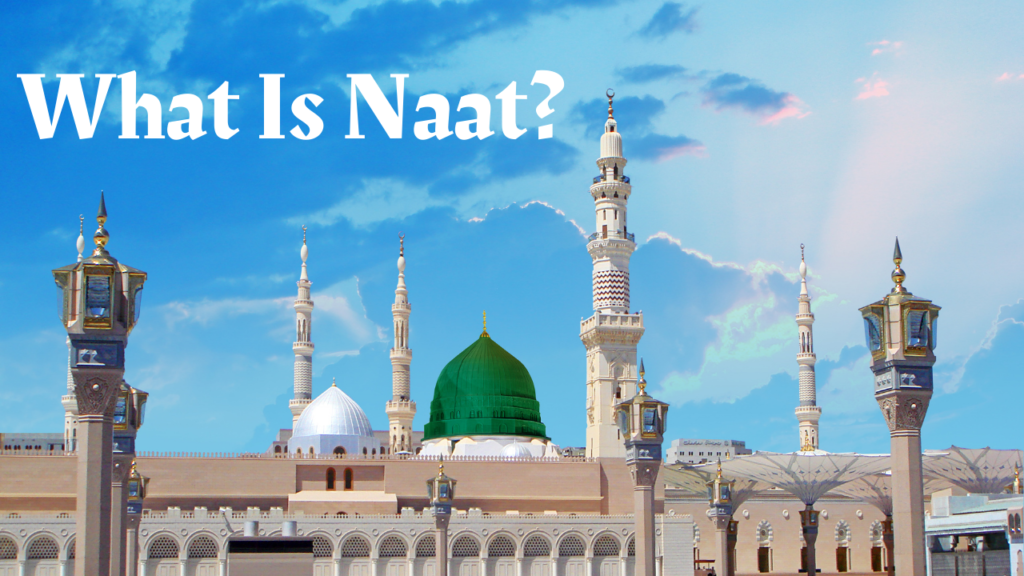
Naat (نعت) is a special form of Islamic devotional poetry written and recited to praise Prophet Muhammad ﷺ with love, respect, and deep devotion. The word “naat” literally means praise or commendation, and in the Islamic tradition it specifically refers to praising the Prophet ﷺ in poetic form.
The history of naat goes back to the very beginning of Islam. Even during the lifetime of the Prophet ﷺ, companions such as Hazrat Hassan bin Thabit (RA) used poetry to honor and defend him against critics. These early verses — including praise, defense, and expressions of love — became the foundation of naat tradition.
Over time, naat evolved into a recognized genre of devotional literature and poetry in many Muslim cultures, especially in:
- Arabic
- Persian
- Urdu
- Punjabi
- Sindhi
- Pashto
- Bengali
- and other languages.
Naat became especially beloved in South Asia, where it is recited in mehfil-e-naat, religious gatherings, Milad un Nabi events, and during the holy month of Ramzan.
Islamic Value and Definition
In Islam, praising the Prophet ﷺ through naat is considered a positive and spiritually uplifting practice when done with sincerity and within Islamic limits. It helps believers remember the character, mercy, and teachings of Prophet Muhammad ﷺ, encourages love and attachment to his Sunnah, and inspires spiritual reflection. Many scholars view sincere naat recitation as a means of strengthening faith and devotion.
Is Listening to Naat Haram?
Listening to naat itself is not haram (forbidden). However, some traditional schools of thought such as certain Ahl-e-Hadith circles may avoid musical accompaniment or consider certain performance styles incorrect. Other groups, including many followers of the Hanafi and Barelvi school, widely accept naat as devotional recitation without musical instrumentation. Listening to naat that praises the Prophet ﷺ respectfully is generally accepted by most Muslims.

Is Naat Allowed in Islam?
Yes, naat is allowed in Islam. There is historical evidence that Prophet Muhammad ﷺ listened to poetry in his praise. For example, great companions such as Hazrat Hassan bin Thabit (RA) composed and recited poetry in praise of the Prophet ﷺ and were encouraged for their poetic defense and praise.
Is Music in Naats Haram?
Music in association with naat is a debated topic among scholars. Pure voice recitation without instruments is widely accepted and encouraged. Adding musical instruments can be controversial, and many scholars view it as ethically wrong or inappropriate for devotional content. The safest approach is to recite or listen to naat without musical accompaniment to preserve its spiritual sanctity.
Is Reciting Naat Allowed in Islam?
Yes. Reciting naat is allowed, and one of the early models was Hazrat Hassan bin Thabit (RA), whose poetic praise was recited in the presence of the Prophet ﷺ. Such recitations were respected and even rewarded.
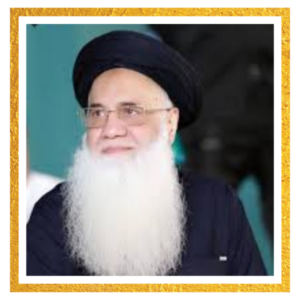
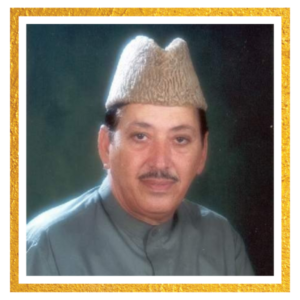
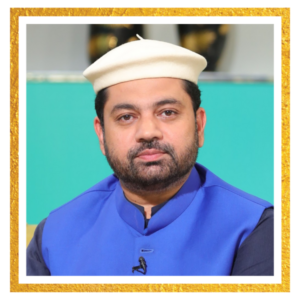
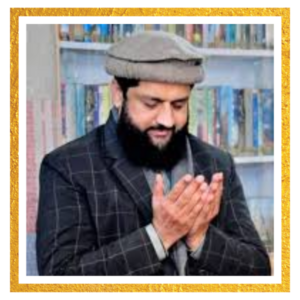
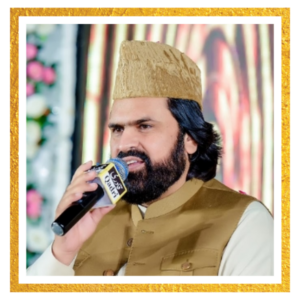
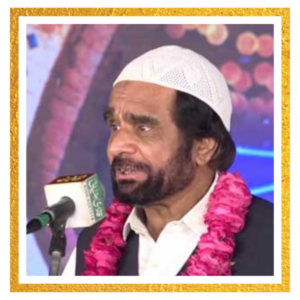
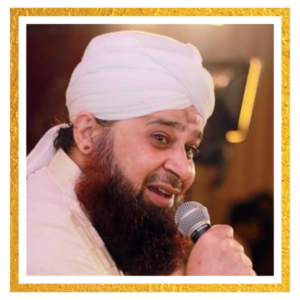
14 Famous Naat Khawans In Pakistan
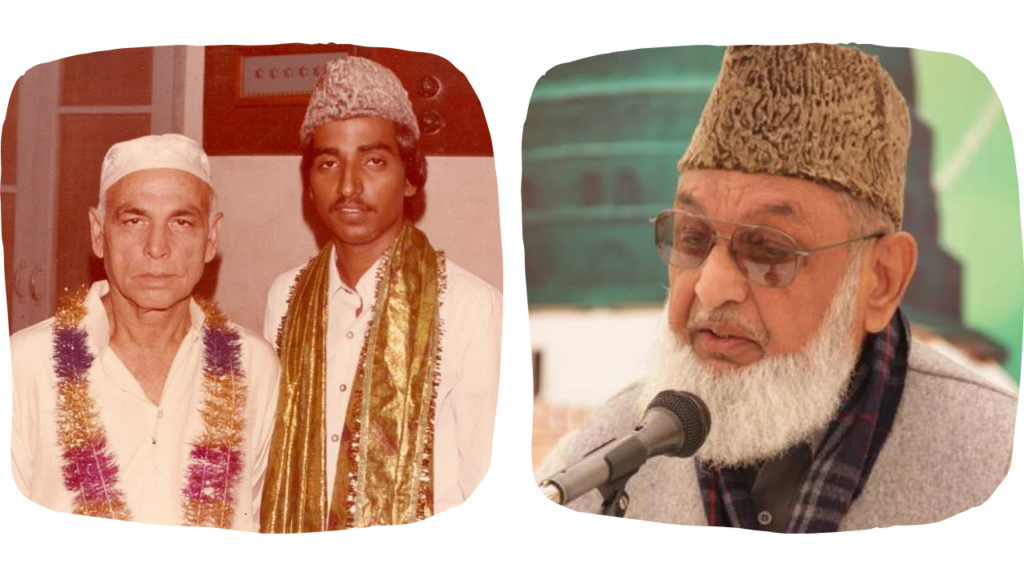
Across the world, many reciters dedicate their lives to spreading love for the Prophet ﷺ through naat. Some names commonly respected include:
- Azam Chishti
- Syed Manzoor Ul Konain
- Sana Ullah Butt
- Nazir Hussain Nizami
- Hafiz Sohail Nazar
- Owais Raza Qadri
- Yousuf Memon
- Khursheed Ahmed Kamal
- Syed Zabeeb Masood
- Sarwar Hussain Naqshbandi
- Qari Waheed Zafar Qasmi
- Abdul Rauf Rufi
- Siddiq Ismail
- Fasihuddin Soharwardi
These individuals are known for devotional focus and heartfelt recitation rather than entertainment.


How to Become a Naat Khawan?
There is no formal course or certificate to become a naat khawan. The basic steps are:
- Learn and memorize a few respected naat poems.
- Practice delivering them clearly and respectfully.
- Study proper Tajweed and pronunciation.
- Maintain knowledge of Islam and love for the Prophet ﷺ.
With practice, dedication, and sincerity, anyone can become a naat reciter.
Listening to Naats During Ramzan
Yes, naat can be listened to during Ramzan. Since it is a religious expression focused on praising the life and message of the Prophet ﷺ, listening to naat during the holy month is widely accepted and spiritually beneficial.
Did Qari Waheed Zafar Qasmi Perform Naat in Kaaba?
There is no verified historical record confirming that Qari Waheed Zafar Qasmi specifically performed naat inside the Kaaba. However, he is a respected and beloved naat khawan known for many historic recordings and programs.
How Many Naats Did Junaid Jamshed Recite?
Exact total counts of naats by Junaid Jamshed are not officially documented, but he released several well-known albums such as Jalwa-e-Janan which contain multiple naats that remain popular across the Muslim world.
Is It Good to Charge Money for Naat?
Charging money specifically for naat recitation is generally viewed as inappropriate, as naat is an act of devotion and praise of the Prophet ﷺ rather than a commercial activity. The emphasis should be on sincerity and worship.
How to Find Naat Lyrics
You can find authentic naat lyrics easily on Naat Sharif, where collections are categorized for easy reading and sharing with family and friends.
How to Improve Voice for Naat?
To improve your voice for naat recitation:
- Practice regularly (riyaz)
- Study traditional naat khawans and their style
- Learn breath control and clear pronunciation
- Recite with sincerity and correct Tajweed
- Improve your stamina
- Exercise regularly
How to Invite a Naat Khawan
If you want to invite a naat khawan to an event, follow these steps:
- Search reputable naat khawan contacts or management teams.
- Explain your event details and schedule.
- Offer hospitality (transport, accommodation, etc.).
- Respect their religious boundaries and performance style.
Where Are Naats Recited Across Countries?
Naat is popular in many Muslim countries, especially in South Asia (Pakistan, India, Bangladesh) as well as in the Middle East, Southeast Asia, Africa, and parts of Europe and North America where Muslim communities live.
Which Naat Was Recited at the Time of Hijrat to Madina?
One of the most famous early Islamic devotional poems associated with the Prophet’s ﷺ migration (Hijrah) is Talaʽ al-Badru ‘Alayna — a traditional nasheed that the Ansar are believed to have sung in praise of the Prophet ﷺ when he arrived in Madina.
Hum Ne Ankhon Se Dekha Nahi Hai Magar Naat Lyrics
Hum Ne Ankhon Se Dekha Nahi Hai Magar Naat Lyrics This Naat celebrates the love for Prophet Muhammad…
Allah Huma Sale Ala Naat Lyrics
Allah Huma Sale Ala Naat Lyrics Allahumma salli ‘ala Sayyidina wa Maulana Muhammadin (Chorus / Durood) [CHORUS]Allahumma salli…