What is Imam Zamin?
You may have heard the call “Imam Zamin” and wondered, “What is Imam Zamin?” It’s a period of historical and cultural significance, particularly in countries like India and Pakistan. Imam Zamin isn’t simply one thing; it refers to each a unique tomb and a cultural way of life that people follow to bring blessings, protection, and good luck. Imam Zamin connects history, religion, and may be very critical to many people.
Who Was Imam Zamin?
Imam Zamin wasn’t just a call; he was a truly critical figure in history. His full name became Muhammad Ali, and he became a renowned Islamic scholar who lived a long time ago. Imam Zamin came from Turkestan, a region far from India. He traveled to Delhi, the capital of India, in the sixteenth century. There, he has become a well-known chief and a non-secular manual for humans. He became known for his expertise, compassion, and deep knowledge of Islam.
As a trainer, Imam Zamin helped many people recognize the proper meaning of religion and how to live their lives in the best way. People from all around came to listen to him, learn from him, and seek his advice. Imam Zamin became cherished and revered by everyone, and his teachings helped guide many people thru tough times. Even though he passed away a few years ago, humans do not forget him today for his expertise and the wonderful effect he had on others.
The Tomb of Imam Zamin
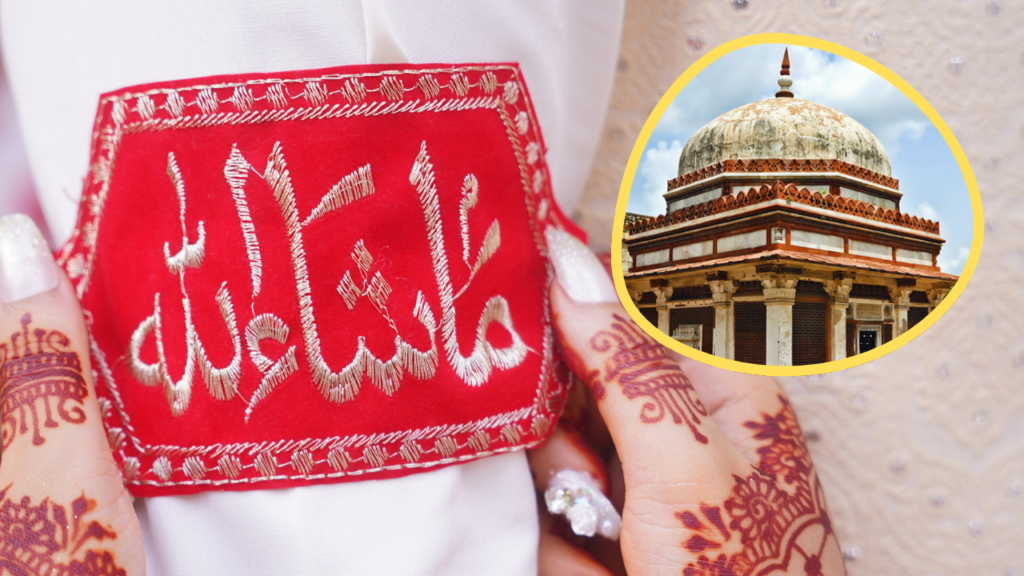
One of the most vital aspects of Imam Zamin is his tomb, which can still be seen in Delhi, India. The tomb is located in the well-known Qutb Minar Complex, a domain known for its stunning antique homes and ancient significance. Imam Zamin’s tomb is smaller than the large structures around it; however, its miles are very unique. It was constructed in the 1500s and became the last addition made to the Qutb Minar Complex.
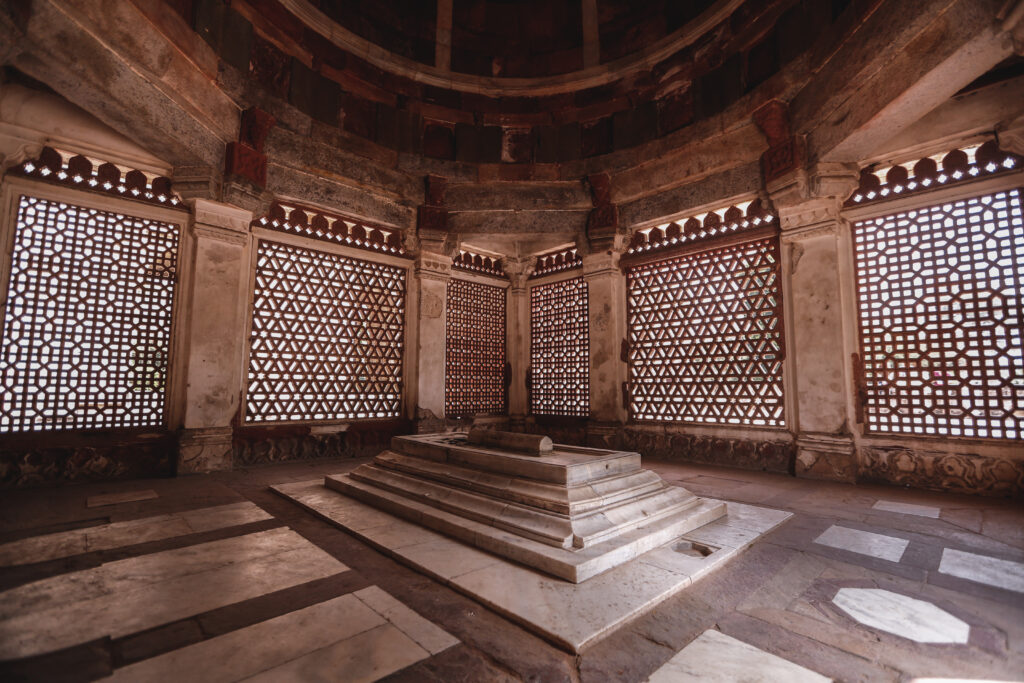
The tomb is a quiet, non-violent region where people visit, keeping in mind Imam Zamin and his virtuous deeds. The construction is made from sandstone and marble. The layout is quite simple, however stunning. It has a dome on a pinnacle and pillars that help the roof. The interior of the tomb features stunning carvings and Arabic inscriptions, which are vital to Islamic art and culture. Many people go to the tomb to pray and reflect on Imam Zamin’s teachings.
The tomb also has a unique sense of peace as you approach it. The individuals who cross there frequently experience calm and feel connected to something larger than themselves, similar to what Imam Zamin sought. It’s an area where humans can replicate and pray for the advantages of their own lives.
What Does the Tomb Look Like?
Imam Zamin`s tomb is straightforward, however, very stunning in its layout. It doesn’t have the area’s massive number of monuments; however, it has a variety of charms. The tomb’s roof is round and dome-like. Dome-shaped roofs are frequently seen in Islamic structures because they symbolize the heavens and spirituality. The tomb is crafted from crimson sandstone and marble, both famous materials used at some point in the Mughal era in India.
On the tomb’s partitions, there are problematic carvings and inscriptions in Arabic that convey vital non-secular tales or recite prayers. The tomb isn’t just an area to keep in mind Imam Zamin, but also a work of art that showcases the splendor of Islamic architecture. It is much smaller than the large Qutb Minar; however, it still stands proud, thanks to how calm and non-violent it feels.

The Imam Zamin Tradition
Now, what’s Imam Zamin in terms of way of life? Well, except for the tomb, there’s a unique cultural practice known as the Imam Zamin way of life. This is a ritual many people observe in India and Pakistan. It is carried out to ensure safety and a favorable outcome at crucial moments in life, such as getting married, traveling, or beginning a new job.
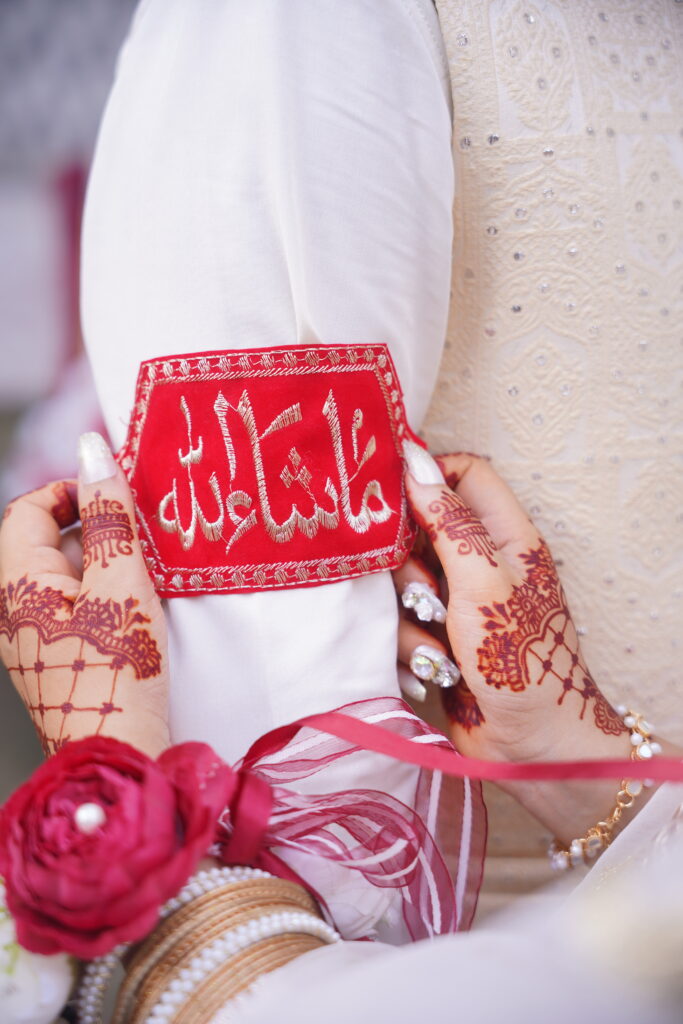
To carry out this way of life, a small fabric pouch or thread is tied around an individual`s wrist. Inside the pouch, there is typically cash or a written prayer. People trust that carrying this fabric will bring them success and protect them from harm. This way of life is passed down through generations and practiced by individuals who seek the benefits and guidance of Imam Zamin’s spirit. It’s a matter of maintaining Imam Zamin’s appropriate effect in crucial situations in life.
How Do People Practice the Imam Zamin Tradition Today?
Even today, the Imam Zamin way of life continues to be practiced in many households and during major events like weddings or journeys. When a person is ready to travel, get married, or begin a new lifestyle event, a family member or a non-secular leader ties the Imam Zamin fabric around their wrist. This act is assumed to confer benefits and protect the individual from harm at some point in the adventure or new experience.
For example, while a pair is getting married, the groom may obtain an Imam Zamin fabric from his own family or the bride’s. Fabric is tied around his wrist as a symbol of safety for the destiny they may build together. Similarly, a person about to head on a protracted journey might also put on the Imam Zamin fabric for safety.
Why Is Imam Zamin So Special?
Imam Zamin is unique for 2 principal reasons: First, he became an influential instructor and religious leader who helped people lead meaningful, fulfilling lives. His training relates to encouraging humans. Second, the Imam Zamin lifestyle is unique in offering humans a sense of security and protection. When a person wears the Imam Zamin cloth, they may no longer simply be sporting a piece of cloth but a sense of hope, faith, and blessing.
This lifestyle connects humans to Imam Zami’s teachings and reminds them that, no matter what happens, they may no longer be alone. The exercise is a lovely way for households to express their love and support for one another. It also continues Imam Zami`s legacy for future generations.
Conclusion: The Meaning of Imam Zamin Today
So, what’s Imam Zamin? It’s each a tomb and a way of life that holds deep religious significance for many people. The tomb is a place where humans cannot forget Imam Zamin and his teachings, while the lifestyle allows their senses to be covered and blessed in crucial moments of their lives. Imam Zamin`s legacy lives on thru each of the tombs in Delhi and the cultural exercise that continues to bring humans comfort.
Imam Zamin`s call and tale remind us that faith, wisdom, and one’s own circle of relatives are crucial components of life. Whether it`s thru traveling the tomb or practising the lifestyle, Imam Zamin maintains to play a position in many people`s lives, preserving his teachings alive and supporting others thru tough and satisfying instances alike.
FAQs
What is Imam Zamin?
Imam Zamin is a South Asian cultural practice where coins or money are tied in a cloth and worn, usually before travel or on special occasions, as a symbol of blessing and protection.
Why is it called Imam Zamin?
The term “Zamin” means guarantor. It is commonly associated with Imam Ali al-Ridha (Imam Reza), whose title is believed to symbolize protection or guarantee.
Is Imam Zamin mentioned in the Qur’an or Hadith?
No. The specific practice of tying Imam Zamin is not mentioned in the Qur’an or authentic Hadith and is considered a cultural tradition.
Is Imam Zamin obligatory in Islam?
No. It is not a religious obligation and is not required in Islamic practice.
When do people usually wear Imam Zamin?
It is commonly used before travel, at weddings, or during important life events, especially in Pakistan and India.
Is Imam Zamin only a Shia practice?
It is more commonly associated with Shia cultural traditions, but some Sunni families also observe it as a custom rather than a religious act.
Is wearing Imam Zamin considered shirk?
Scholars clarify that protection comes only from Allah. If Imam Zamin is believed to have independent power, it may become religiously problematic.
What is recommended instead of Imam Zamin for safety?
Islam encourages making dua, especially Dua-e-Safar, and trusting Allah for protection.
Is Imam Zamin historically proven?
The symbolic idea is linked to Imam Reza, but the cloth-and-coin practice developed later as a regional tradition.
Is Imam Zamin connected to any historical place?
There is a tomb called Imam Zamin in Delhi, but it is unrelated to the cultural practice.
Other Post
Mian Meer Hospital
Mian Meer Hospital Government Mian Meer Hospital (also known as Mian Meer DHQ Level Hospital) is a public…
Dolmen Mall Lahore
Dolmen Mall Lahore: Biggest Mall in Lahore Yet Dolmen Mall Lahore is a big, modern shopping mall in…
Allah Huma Sale Ala Naat Lyrics
Allah Huma Sale Ala Naat Lyrics Allahumma salli ‘ala Sayyidina wa Maulana Muhammadin (Chorus / Durood) [CHORUS]Allahumma salli…